Today’s chosen theme is “Energy-efficient Roofing for Different Climates.” Explore practical insights, real stories, and science-backed guidance to help you choose roofing that saves energy, lowers bills, and stays resilient—whether you live in snow country, humid coasts, dry deserts, or temperate cities.
Climate First: Matching Roof Performance to Weather Patterns
In cold climates, the goal is to retain interior heat and prevent ice dams. Prioritize high R-value roof assemblies, airtight underlayments, and robust attic insulation with continuous ventilation channels that remove moisture while preserving warmth, comfort, and long-term roof durability.
Cool-coated steel or aluminum panels bounce solar radiation and quickly release heat after sunset. In hot regions, this combination reduces peak attic temperatures, helping HVAC systems breathe easier and cutting cooling bills without sacrificing storm resistance or striking curb appeal.
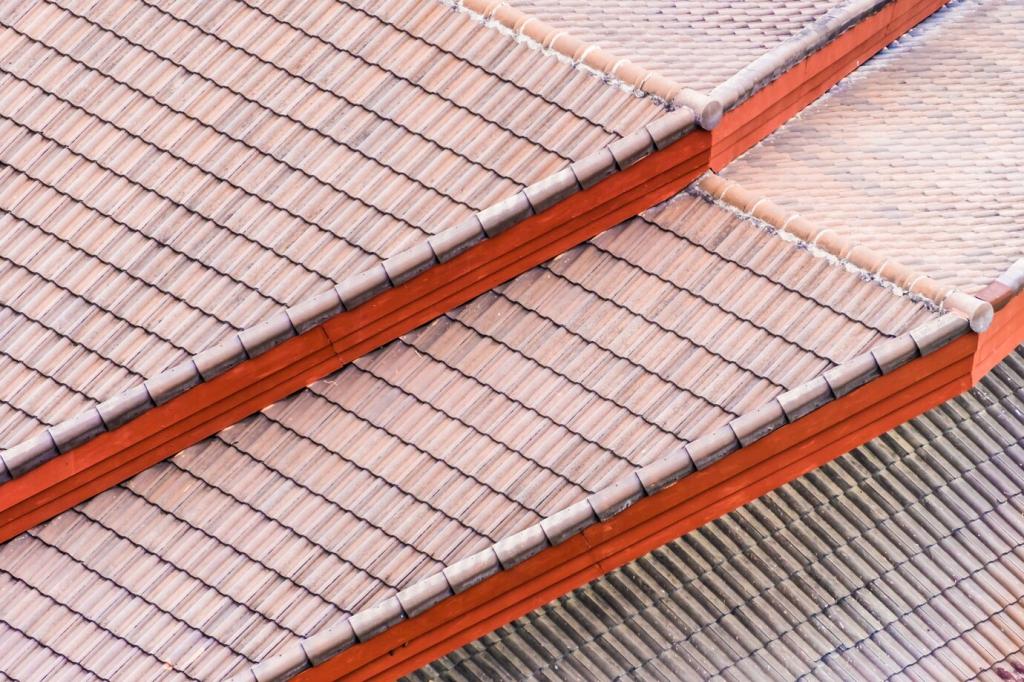
Clay and Concrete Tiles with Ventilated Battens
Tiles create air channels that interrupt heat transfer. In sunny climates, that natural ventilation combines with the thermal mass of tiles to slow heat flow indoors, smoothing temperature swings and boosting comfort while preserving a timeless, architectural aesthetic.
High-Performance Asphalt Shingles
Modern shingles now include cool pigments and improved granules that reflect more sunlight. When paired with quality underlayments and proper attic airflow, they deliver dependable efficiency across varied climates at accessible cost and with familiar installation practices.
Insulation, Ventilation, and Air Sealing: The Efficiency Trifecta
Balanced intake at the soffits and exhaust at the ridge helps purge hot, moist air that undermines efficiency. Proper airflow reduces HVAC strain, prevents ice dams in winter, and extends roof life by keeping deck temperatures and humidity under control.
Stories from the Field: Real Homes, Real Climates
A family added a continuous air barrier, dense-pack insulation, and a ventilated cold roof. The next winter, ice dams vanished, interior humidity stabilized, and the wood stove burned less cordwood—proof that assembly details can outperform thicker materials alone.
Stories from the Field: Real Homes, Real Climates
A district upgraded to a high-SRI membrane with reflective walk pads. Afternoon classroom temperatures dropped, HVAC runtime shortened, and teachers reported fewer hot spots. The project inspired science lessons on albedo, climate adaptation, and local heat island reduction.
Design Details that Quietly Supercharge Efficiency
Light colors and high-reflectance coatings bounce sunlight, while high-emissivity surfaces release stored heat quickly after dusk. Together, they reduce peak loads and moderate indoor comfort across sunny climates without compromising architectural character or regional style.
Design Details that Quietly Supercharge Efficiency
Deeper eaves shade walls and windows, limiting solar gain and protecting the roof edge from water damage. Thoughtful guttering, rain chains, and leaf guards manage stormwater, preventing moisture intrusion that can sabotage insulation and undermine energy performance over time.
Seasonal Inspections
Each spring and fall, scan for lifted shingles, failed sealant, clogged vents, and debris. Clearing leaves and confirming unobstructed airflow keeps moisture at bay, sustains insulation effectiveness, and preserves the roof’s energy-saving potential through harsh seasons.
Simple tools like humidity sensors and infrared spot checks reveal hidden hot spots and damp areas. Early detection empowers quick fixes—often just sealing a gap or adding baffles—before comfort and utility bills take a costly, avoidable hit.
Evaluate energy savings, maintenance intervals, and projected lifespan. A cooler roof may cut peak load enough to downsize HVAC or extend equipment life, generating compounding returns that outperform cheaper, less efficient options over the long haul.
Rebates and Local Programs
Utilities and municipalities often reward cool roofs, insulation upgrades, and ventilation improvements. Check eligibility, climate-zone requirements, and approved product lists. Share what you find in the comments to help neighbors uncover hidden savings opportunities.
Resilience as a Financial Multiplier
Storm-hardened, corrosion-resistant assemblies reduce repair frequency after extreme weather. Lower risk can mean fewer disruptions, steadier comfort, and potential insurance benefits, all stacking alongside energy savings to create a sturdier, climate-ready investment profile.