Sustainable Roofing Options: A Fresh Path to Cooler, Cleaner Homes
Chosen theme: Sustainable Roofing Options. Explore materials, design choices, and real stories that prove a roof can save energy, harvest value, and look beautiful. Ask questions, share experiences, and subscribe for upcoming deep dives.
Materials That Matter: Options Worth Considering
High-Recycled-Content Metal
Steel and aluminum roofs often contain significant recycled content and are fully recyclable at end of life. Their interlocking panels resist wind, reflect sunlight, and can pair beautifully with rainwater harvesting. Comment if you have hail or coastal concerns.
Recycled Shingles and Rubber
Composite shingles made from recycled plastics or rubber can divert waste from landfills while mimicking traditional aesthetics. They offer impact resistance and straightforward installation. Ask about verified material percentages and third-party labels before choosing a specific brand.
Durable Clay and Concrete Tiles
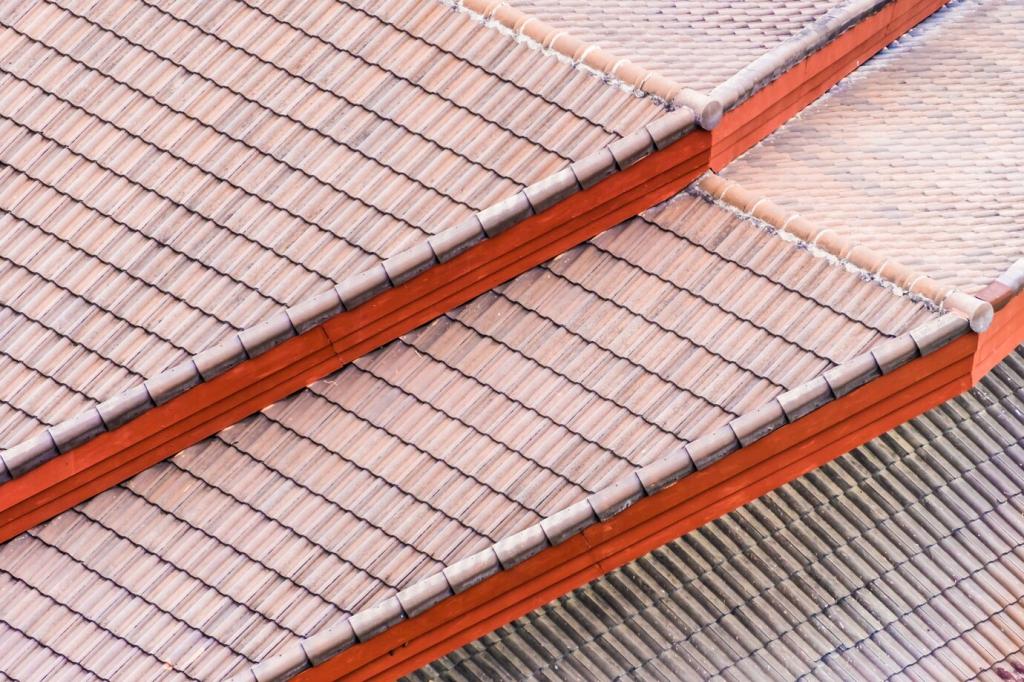
Clay and concrete tiles provide longevity and thermal mass, helping stabilize indoor temperatures in sunny climates. They are heavy, so verify structural capacity. If you love Mediterranean styles, tell us your tile questions and maintenance experiences to guide others.
Cool Roofs and Energy Efficiency
Solar reflectance measures how much sunlight a roof bounces back; thermal emittance describes how efficiently it releases absorbed heat. Together, these properties limit heat gain. Share your region, and we will help estimate potential cooling savings realistically.
Cool Roofs and Energy Efficiency
A cool roof performs best with appropriate insulation levels and balanced attic ventilation to move moisture and heat. Combine strategies for steady comfort. Subscribe for our attic checklist to spot gaps, blocked vents, or underperforming insulation quickly.
Green Roofs: Living Layers That Work Hard
Green roofs absorb and slow rainfall, easing pressure on storm drains during heavy downpours. That buffering can reduce localized flooding and pollution. If your city floods often, comment with details, and we will tailor our next design guide.
Green Roofs: Living Layers That Work Hard
Plants shade the roof membrane and cool surrounding air through evapotranspiration. That helps lower ambient temperatures and prolong waterproofing life. Share your rooftop sun exposure and plant preferences to receive a climate-specific plant palette in future posts.
Solar-Ready and Solar-Integrated Roofs
Building-integrated solar shingles blend visually, while racked panels often deliver higher output per dollar and easier servicing. Whichever you prefer, plan wire routes and mounting locations early. Comment with your aesthetic priorities, and we will suggest a path.
Metal or tile may cost more initially, yet savings from durability, lower cooling loads, and fewer tear-offs can balance the ledger over time. Share your budget and timeframe, and we will model scenarios in upcoming posts.
Cost, Maintenance, and Longevity
Keep gutters clear, trim overhanging branches, check flashing after storms, and schedule periodic inspections. Small fixes prevent costly failures. Comment with your current maintenance routine to receive our seasonal reminder sheet and photo-based inspection tips.
Your Sustainable Roofing Action Plan
Document roof age, leaks, attic insulation depth, ventilation types, and utility bills. Photograph trouble spots and note sun exposure by season. Comment “Checklist” below, and we will send a printable version with space for quotes and notes.
Your Sustainable Roofing Action Plan
Ask about recycled content, local sourcing, underlayment choices, fastener types, wind ratings, and ventilation strategies. Request references and photos of similar climate projects. Share your contractor questions, and we will publish a curated interview script next week.